
Modern farming relies on precision, and spraying drones offer efficiency that manual application cannot match. Yet, the air above your fields is governed by strict rules designed to ensure safety and prevent interference with manned aviation. Ignoring these federal requirements is a significant regulatory liability no operator should take.
Distinguishing between recreational and commercial agricultural drone use is vital to maintaining your license and protecting your assets. These categories carry distinct legal, certification, and insurance requirements; misclassifying your operations can lead to severe penalties.

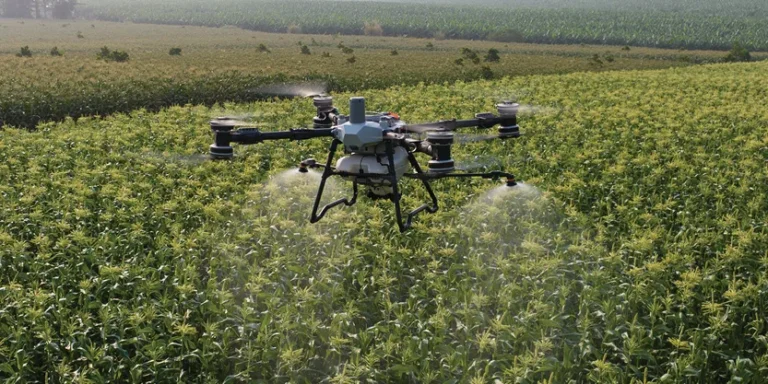
Why Does FAA Part 137 Certification Matter to You?
The Federal Aviation Administration (FAA) requires Part 137 certification for any aircraft conducting aerial application of chemicals, seeds, or fertilizers. This rule isn’t just about the technology; it’s about the act of dispensing material. If you are applying substances to crops, securing this certification is mandatory.
Operating without this authority exposes your business to substantial financial penalties. While many pilots start with a Part 107 remote pilot certificate, that only covers basic operations. For those utilizing drones from drone manufacturers like Talos Drones for heavy-duty work, Part 137 is the necessary bridge to full compliance. Securing this certification ensures you are legally permitted to conduct aerial applications, safeguarding your professional reputation and operational future.
How Does the 55-Pound Limit Change Your Requirements?
The weight of your aircraft dictates the specific exemptions you must seek. Under FAA regulations, any drone exceeding 55 pounds at takeoff requires a Section 44807 exemption. This process is more demanding than standard registration, as it requires proof of safe flight capabilities.
Exemptions are granted on a case-by-case basis. You must demonstrate that your heavy-duty drone maintains structural integrity and control even when fully loaded with a liquid payload. Planning for these regulatory hurdles early helps prevent delays when the growing season is in full swing.
What Steps Are Required for Part 107 Compliance?
Before addressing the advanced agricultural requirements, you must master foundational drone operational standards. A Part 107 Remote Pilot Certificate is the baseline for all commercial drone pilots, ensuring you understand airspace, weather patterns, and safety protocols. According to official FAA data, specialized certification is required for dispensing any economic poison or substance intended for plant nourishment to ensure these operations do not pose risks to the national airspace.
The Knowledge Test
This exam assesses your understanding of aeronautical knowledge. You’ll need to demonstrate proficiency in reading sectional charts, identifying airport hazards, and following communication procedures. Passing this test is your gateway to professional drone operations in the United States.
Registration and Maintenance
Every commercial drone must be registered through the FAA DroneZone system. Maintaining a clear log of your maintenance and flight hours is essential for airworthiness compliance. Detailed records prove your equipment is in peak condition for every spraying mission you undertake.
Where to Find Official FAA Regulatory Guidelines?
Official guidance is located on the FAA website, which serves as the primary repository for all commercial drone rules. Relying on government sources ensures you receive the most current information regarding exemptions and operational certificates for your agricultural business. Always verify your specific aircraft model’s airworthiness documents against the latest FAA mandates to ensure your equipment remains fully compliant.
When Do You Need a Section 44807 Exemption?
If your spraying platform, including chemicals, weighs more than 55 pounds, standard rules do not apply. The Section 44807 process allows the Secretary of Transportation to determine if your specific drone can operate safely within the national airspace.
You’ll need to submit detailed data about your drone’s design and safety features. Think of this as a flight-readiness assessment. It proves your heavy-lift drone won’t pose an undue risk to people, property, or other aircraft while performing its duties over your fields.

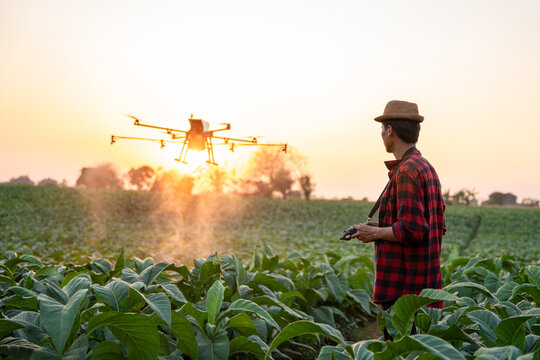
Why Do Misconceptions About Spraying Drones Persist?
A common myth is that agricultural spraying is covered entirely by a standard remote pilot license. In reality, the act of dispensing chemicals transforms a standard drone flight into an aerial application. This distinction is what triggers the need for additional oversight and specialized licensing.
Consider the case of an operator who assumed his Part 107 certificate was enough. Upon applying pesticides, he was cited for unauthorized agricultural operations. He failed to distinguish between a camera-equipped drone and an application tool, leading to significant legal and financial setbacks for his farm.
How to Manage Compliance Risks Effectively?
Compliance is an ongoing responsibility rather than a one-time task. You should create a standardized checklist for every flight, ensuring that all safety protocols, from airspace checks to nozzle calibration, are addressed. Consistency protects your operation from the unexpected. By maintaining rigorous documentation and regular maintenance schedules, you create a culture of safety that minimizes liability and maximizes the longevity of your equipment.
Commonly Asked Questions About Drone Usage Regulations
Is a Part 107 license enough to spray crops?
No. Part 107 covers commercial flight but not aerial application. You must also hold a Part 137 agricultural operator certificate to legally dispense chemicals or other materials from your drone.
Do I need an exemption for my drone?
You need a Section 44807 exemption if your drone’s maximum takeoff weight, including payload, exceeds 55 pounds. Smaller drones may still require specific waivers depending on the nature of your flight operations.
Can I fly my spraying drone anywhere?
No. You must follow all airspace restrictions, including obtaining LAANC authorization for controlled airspace. Always verify local regulations and ensure you are not interfering with manned agricultural aircraft or public safety operations.