

In our increasingly health-conscious world, consumers are seeking out confections that not only indulge their sweet tooth but also align with their desire for natural, nutrient-rich ingredients. Enter honey, the golden nectar that has graced dinner tables since ancient times and is now taking the confectionery world by storm.
According to a recent report, the global honey market is projected to reach a staggering $12.53 billion by 2027. This attributes this trend to a growing awareness of honey’s unparalleled benefits.
Honey isn’t just a sweetener; it’s a natural superfood packed with antioxidants, vitamins, and minerals that refined sugar simply can’t match. As more people recognize this, they’re seeking out honey-infused sweets as a healthier indulgence.
The Art of Honey Infusion
While conventional baking often relies on refined sugars, crafting delectable honey-infused confections requires a delicate touch and specialized techniques. Confectioners must carefully select the variety of honey, as using natural raw honey varietals can significantly impact the final flavor and texture.
Honey can replace up to 100% of the sugar in most recipes, reducing calories while imparting a richer, more nuanced flavor profile. However, adjustments in cooking temperatures and times are crucial to prevent crystallization and ensure the perfect texture.
One testament to the allure of honey-infused treats is the meteoric rise of Honey Mama’s honey-infused caramels, which saw a staggering 300% increase in sales from 2019 to 2020.
A Honey for Every Palate
Just as no two painters use the same brushstrokes, no two varieties of honey impart the same flavors and textures to confections. With over 300 unique varieties of honey worldwide, each originating from distinct floral sources, confectioners have an artist’s palette of nuanced sweetness at their fingertips.
1. Manuka Honey:
Prized for its thick, creamy texture and distinctive earthy, slightly bitter taste, Manuka honey pairs exquisitely with dark chocolate confections. This variety, native to New Zealand and produced by bees that pollinate the Manuka bush, boasts a bold, complex flavor profile that can elevate the richness of chocolate-based treats. Its unique antibacterial properties also contribute to a longer shelf life for confections infused with Manuka honey.
2. Clover Honey
The most widely produced and consumed variety, clover honey is beloved for its mild, sweet flavor and light color, making it a versatile choice for infusing a wide range of sweets. With its delicate floral notes and subtle sweetness, clover honey lends itself beautifully to delicate confections like marshmallows, nougats, and caramels, allowing the honey’s natural flavors to shine through.
3. Wildflower Honey
As its name suggests, this variety is a melange of nectars from various wildflowers, resulting in a complex, nuanced flavor profile that can add depth and intrigue to honey-infused treats. Natural raw honey varietals, allow confectioners to explore the full spectrum of flavors nature has to offer. Wildflower honey’s unique blend of floral notes can lend a distinctive character to honey-infused chocolates, brittles, and even honey-sweetened granolas or energy bars.
4. Buckwheat Honey
With its rich, molasses-like flavor and deep amber hue, buckwheat honey adds a robust, earthy dimension to confections. Its bold taste pairs exceptionally well with nuts, spices, and robust ingredients like ginger or cinnamon, making it an ideal choice for honey-infused baked goods, gingersnaps, or spiced caramels.
5. Orange Blossom Honey
Delicately floral and subtly citrusy, orange blossom honey imparts a delightful, refreshing note to confections. Its light, bright flavor profile complements fruit-forward treats like honey-infused lemon bars, orange creams, or even honey-sweetened sorbets and gelatos.
With such a diverse array of honey varieties at their disposal, confectioners can truly let their culinary artistry shine, crafting honey-infused creations that tantalize the taste buds and delight the senses with nature’s sweetest offerings.
Nature’s Sweetest Gift
Beyond its unparalleled taste, honey offers a host of health benefits that make it a clear frontrunner in the realm of natural sweeteners. Unlike refined sugars, honey is a nutrient-dense powerhouse, containing:
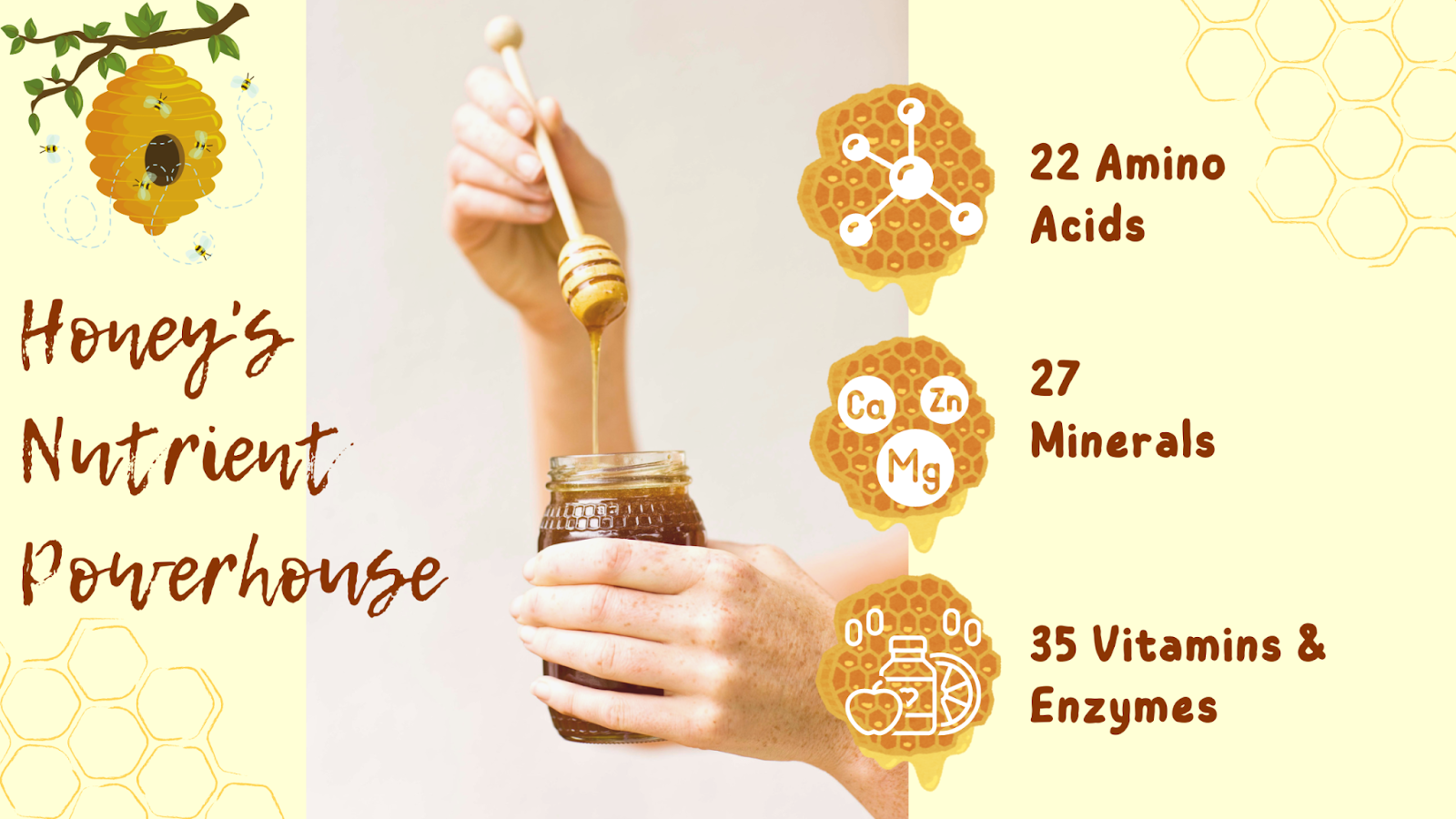
Moreover, honey has a lower Glycemic Index (GI) than sugar, meaning it doesn’t cause the same dramatic spikes in blood sugar levels. This attribute, coupled with its abundance of antioxidants, can help reduce the risk of chronic conditions like heart disease, cancer, and diabetes.
Honey’s unique composition is what sets it apart as a true superfood sweetener. Its enzymes, like glucose oxidase and catalase, act as preservatives and have antibacterial and antifungal properties. The antioxidants in honey, including phenolic compounds and flavonoids, help neutralize free radicals and reduce oxidative stress in the body, which can contribute to aging and various diseases.
Furthermore, studies have shown that consuming honey can have a positive impact on various aspects of health:
- Wound Healing: Honey’s antibacterial and anti-inflammatory properties make it an effective natural remedy for treating wounds and burns, promoting faster healing and reducing the risk of infection.
- Digestive Health: The prebiotic properties of honey can support a healthy gut microbiome, promoting better digestion and potentially reducing the risk of gastrointestinal issues.
- Respiratory Relief: Honey has been used as a natural cough suppressant and can help soothe sore throats and alleviate respiratory symptoms.
- Allergy Relief: Some research suggests that consuming locally-produced honey may help build immunity to local pollen and reduce allergy symptoms.
With its impressive nutrient profile and potential health benefits, it’s no wonder that health-conscious consumers are increasingly turning to honey as a natural and wholesome alternative to processed sweeteners. By incorporating honey-infused confections into their diets, they can indulge their sweet tooth while reaping the rewards of this truly remarkable gift from nature.
The Future is Sweet and Natural
As the world continues its embrace of all things natural and nutritious, honey-infused sweets are poised to become more than just a passing trend. They represent a fundamental shift in how we approach confectionery, prioritizing health and sustainability without sacrificing indulgence and flavor.
So, whether you’re a confectionery connoisseur seeking a healthier way to satisfy your sweet tooth or a conscious consumer seeking to align your choices with your values, the time has never been sweeter to explore the world of honey-infused treats.
Discover the Natural Sweetness of Honey-Infused Confections
Ready to embark on a journey of natural sweetness? Visit your local gourmet candy store or artisanal confectioner to sample the latest honey-infused offerings. Better yet, try your hand at crafting your own honey-infused treats at home using one of the many recipes and tutorials now available online.
By embracing honey-infused sweets, you’ll not only indulge your senses but also contribute to a more sustainable, health-conscious confectionery landscape. So, go ahead, treat yourself to nature’s sweetest gift – your taste buds and well-being will thank you.
Frequently Asked Questions
1. What are the primary advantages of using honey instead of sugar in sweets?
Honey has a lower glycemic index than sugar, is nutrient-dense with vitamins and minerals, and offers richer, more nuanced flavor profiles from its many varietals. Its natural antibacterial properties can also extend shelf life.
2. How do different varieties of honey affect the taste and texture of confectionery products?
Honey varietals like clover, buckwheat, and manuka yield distinct flavors from mild sweetness to rich, complex notes. Their viscosity also impacts texture, with some creating velvety mouthfeels and others a lighter delicacy.
3. Are there any concerns regarding the use of honey in sweets for specific consumer groups?
Infants under 1 year old should avoid honey due to botulism risk. Those with pollen allergies, vegans/vegetarians, and diabetics need to exercise caution with honey-infused confections.