

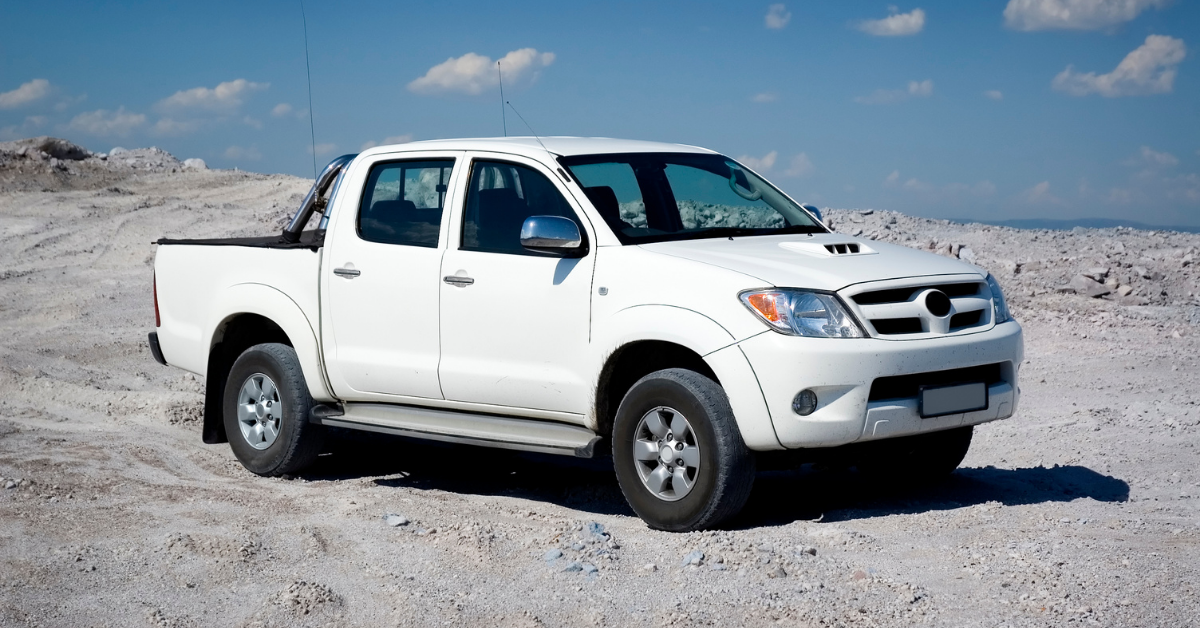
In the competitive landscape of the 2026 business world, the efficiency of your logistics can be the deciding factor between a thriving enterprise and one that struggles to keep pace. Whether you are launching a boutique delivery service in a bustling metro area or managing a large-scale construction firm, your fleet is the backbone of your operations. Choosing the right vehicle involves a complex calculation of payload, fuel efficiency, and long-term durability. For business owners looking to maximize their return on investment, exploring the wide variety of Commercial trucks for sale is the first step toward building a fleet that can withstand the rigors of daily use. A truck that is perfectly matched to its task does more than just move goods; it reduces downtime, lowers insurance premiums, and ensures the safety of your most valuable asset—your drivers.
Defining Your Operational Requirements: Payload and Volume
Before browsing a dealership lot, you must conduct a thorough “needs assessment” centered on your cargo. The most common mistake in commercial purchasing is underestimating the Gross Vehicle Weight Rating (GVWR) needed for daily tasks. Overloading a truck not only risks significant fines and legal liability in the event of an accident but also causes premature wear on the engine, transmission, and braking systems.
Payload refers to the weight the truck can carry within its own frame, while towing capacity refers to what it can pull behind it. If you are in the HVAC or plumbing industry, a Class 2 or 3 van or light-duty truck may suffice for transporting tools and parts. However, for those in the landscaping or heavy equipment sectors, a Class 5 or 6 medium-duty truck is often necessary to handle the weight of soil, stone, or machinery. Volume is equally critical; if you transport bulky but light items, such as furniture or medical supplies, a high-roof box truck may be more valuable than a high-payload flatbed.
Selecting the Right Body Style for Your Industry
Commercial trucks are essentially mobile platforms designed for specific upfits. The “body” of the truck should be dictated by your specific service model:
- Box and Straight Trucks: Ideal for “final mile” delivery and moving services. They provide a secure, weather-proof environment for high-value goods and offer ample space for branding and signage.
- Flatbed and Stake Bed Trucks: These are the workhorses of the construction and agricultural industries. Their open design allows for easy loading from the side using forklifts and accommodates oversized or oddly shaped loads like lumber or steel beams.
- Refrigerated Trucks (Reefers): Essential for the food, floral, and pharmaceutical industries. These trucks feature insulated bodies and independent cooling units to maintain strict temperature-controlled environments during transit.
- Dump and Tipper Trucks: Built with heavy-duty hydraulic lifts, these are specialized for loose materials like gravel, sand, or debris.
Matching the body style to your workflow ensures that loading and unloading times are minimized, directly impacting your daily productivity and labor costs.
Fuel Efficiency and Environmental Compliance in 2026
In 2026, fuel expenses and environmental regulations are more intertwined than ever. When choosing a truck, the choice of powertrain—diesel, gasoline, or electric—should be based on your “operational radius.” For local, urban routes with frequent stop-and-go traffic, electric commercial vehicles (EVs) are becoming increasingly viable due to lower maintenance costs and zero emissions, which may grant access to restricted “green zones” in major cities. For businesses aiming to future proof their fleets while reducing operating costs, investing in electric utility vehicles offers a practical and sustainable solution that supports compliance, efficiency, and long term value. Many sellers and platforms now provide options to Get Cash for Trucks, making it easier for businesses to upgrade to newer, more efficient models without large upfront costs.
For long-haul or heavy-duty tasks, diesel remains the industry standard due to its superior torque and energy density. However, ensure that any diesel truck you purchase meets the latest EPA or local emissions standards. Modern trucks utilize Diesel Exhaust Fluid (DEF) and sophisticated particulate filters to remain compliant. In 2026, many businesses are also opting for hybrid medium-duty trucks, which offer the regenerative braking benefits of an electric motor combined with the range of a traditional internal combustion engine.
Evaluating Safety Features and Driver Ergonomics
Safety is no longer an “optional extra” in the commercial world; it is a vital component of risk management. A single accident can lead to astronomical insurance hikes or a total loss of business viability. When evaluating trucks, prioritize those equipped with Advanced Driver Assistance Systems (ADAS). Features such as Automatic Emergency Braking (AEB), Lane Departure Warning, and Blind-Spot Monitoring are particularly valuable for large vehicles with significant “No-Zone” blind spots. Pairing ADAS features with a dedicated semi truck dash cam adds an extra layer of documented evidence in the event of an incident.
Furthermore, do not overlook the importance of the “mobile office.” Drivers often spend 8 to 10 hours a day inside the cab. Ergonomic seating, intuitive dashboard layouts, and high-visibility glass help reduce driver fatigue, which is a leading cause of highway accidents. A comfortable driver is a more alert and productive driver, making interior features a direct contributor to your bottom line.
Total Cost of Ownership: Maintenance and Resale Value
The sticker price of a commercial truck is only one part of the financial equation. To truly understand the impact on your business, you must calculate the Total Cost of Ownership (TCO). This includes the anticipated maintenance schedule, the availability of spare parts, and the vehicle’s projected resale value.
Brands with extensive service networks are generally safer bets; if a truck breaks down in a remote area, you need to know that parts and qualified technicians are nearby to minimize downtime. In 2026, many commercial trucks come with integrated telematics systems that provide real-time diagnostics. These systems can alert your fleet manager to a failing sensor or an overdue oil change before it leads to a catastrophic engine failure. Finally, consider the resale market. Trucks from reputable manufacturers like Isuzu, Ram, or Ford typically hold their value better, allowing you to recoup more of your initial investment when it’s time to upgrade your fleet.
Conclusion
Choosing the right commercial truck is a strategic decision that requires a balance between current needs and future growth. By carefully analyzing your payload requirements, selecting a body style that complements your workflow, and prioritizing fuel efficiency and safety, you set your business up for long-term operational success. In 2026, the technology available in the commercial sector—from telematics to advanced safety suites—provides business owners with unprecedented tools to manage their fleets effectively. Whether you are adding a single van or an entire fleet of heavy-duty haulers, the goal remains the same: to find a vehicle that works as hard as you do. When you invest in a truck that is “right-sized” and “right-featured” for your specific industry, you aren’t just buying a vehicle; you are securing the future of your business.